Grieving Someone Who Is Still Alive:
The Hidden Loss After Brain Injury
Written by: Dr. Mary Cowgill
Psychologist, Certified Brain Injury Specialist Trainer
New Vitae Wellness & Recovery
March 3, 2026
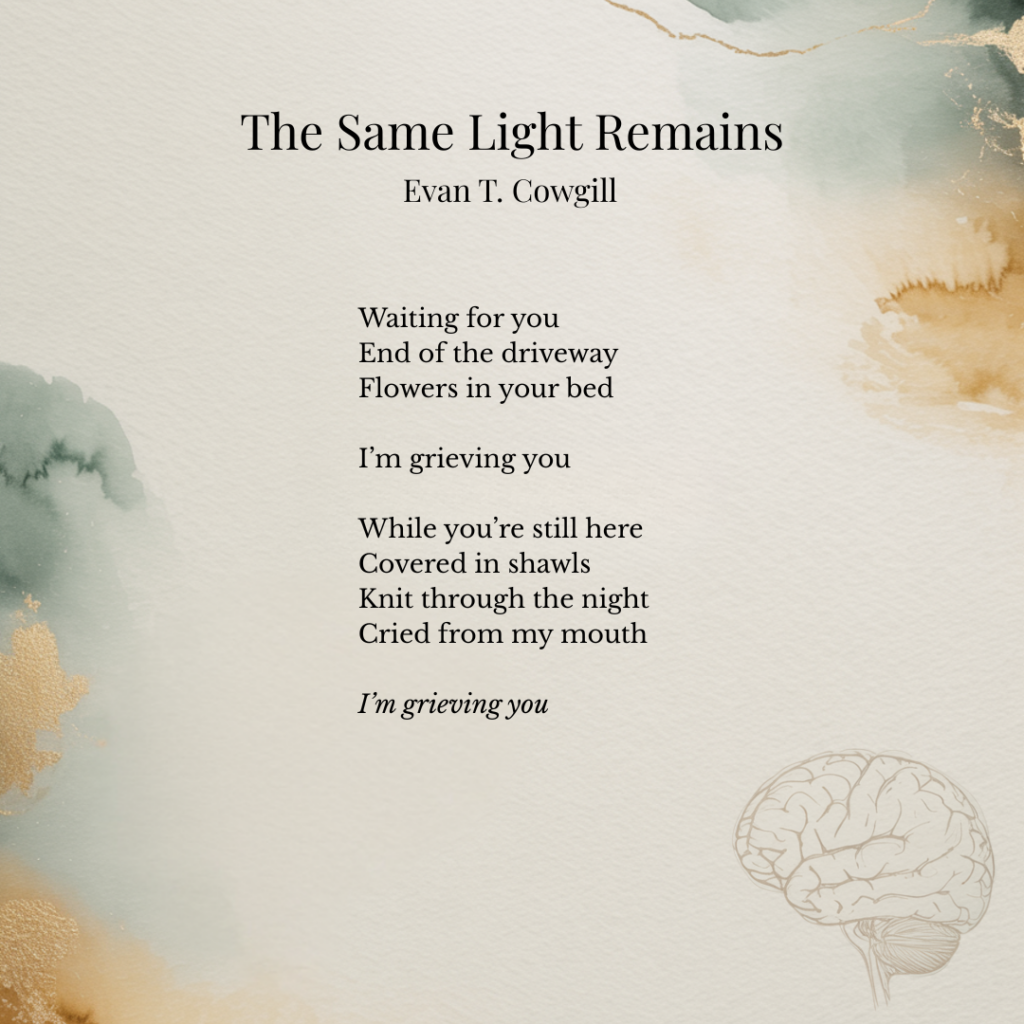
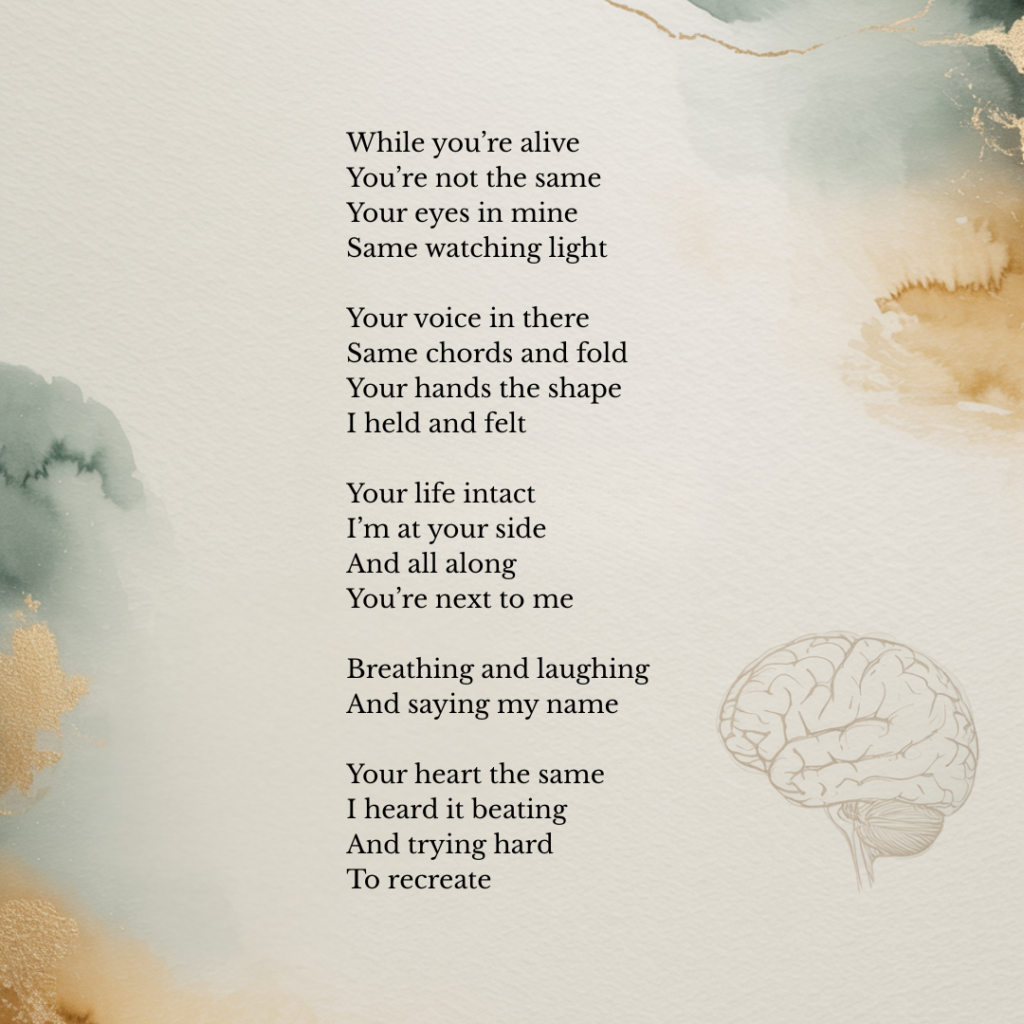
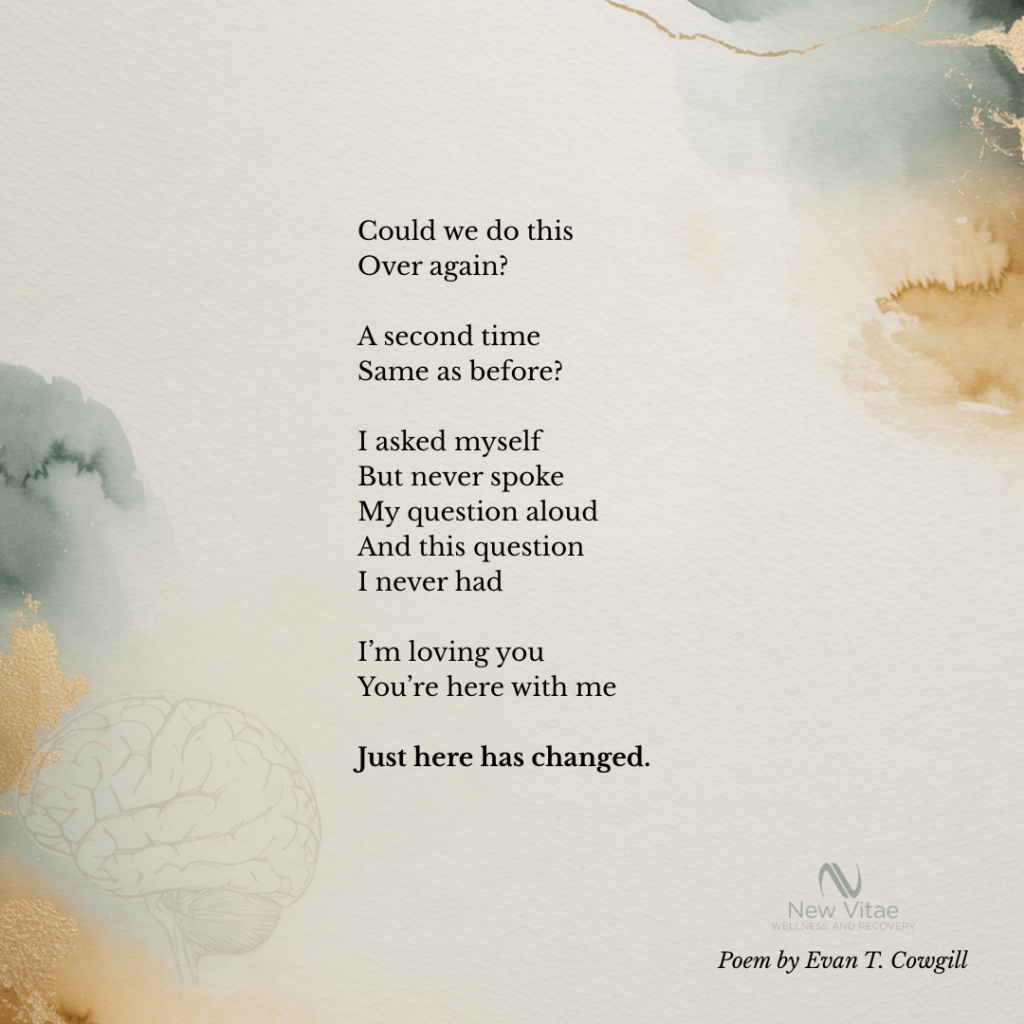
When we think of grief, we think of funerals. Of casseroles and sympathy cards. Of a clear line between “before” and “after.”
But brain injury creates a different kind of loss, one that rarely receives acknowledgment. The person you love is still here. They may look the same. They may even sound the same.
And yet, something has shifted. A spark, a rhythm, shared memories, a way of being together that once felt effortless.
Families often carry this grief quietly. They mourn parts of a personality, shared traditions, or roles that have changed, all while fiercely loving and advocating for the person who remains. It is a complicated space: gratitude and heartbreak, loyalty and longing, hope and exhaustion.
To better understand this hidden form of grief, I asked loved ones to reflect on two questions:
-
What is something about the person you miss, even though they are still here, that feels hardest to talk about?
-
How has your relationship changed since the injury, and what parts of it have surprised you?
Their answers reveal something we do not often talk about during Brain Injury Awareness Month: sometimes the most profound injuries are invisible, and so is the grief that follows.
One mother described how the hardest shift has been her daughter’s anger.
Before the injury, she remembers laughter, easy conversations, spontaneous coffee dates — what she calls their “fun mother–daughter days.” Now, interactions can feel unpredictable. Small frustrations escalate quickly. Outings require planning, emotional “bracing,” and sometimes cancellation altogether.
“I miss our easy time together,” she shared. “I miss not worrying.”
She admits that going out in public can bring anxiety, a constant fear that her daughter might say something impulsive or react in a way that draws attention. The vigilance is exhausting. It has changed how she moves through the world.
And then she said something many parents think but rarely voice aloud.
“Some days, I don’t like this new version of my daughter. And that’s so hard to admit.”
It is a sentence layered with guilt. Because love has not disappeared. Protection has not disappeared. Commitment has not disappeared.
What has changed is familiarity and predictability, the version of their relationship that once felt effortless.
Brain injury can alter emotional regulation and impulse control, changes rooted in neurology, not character. But understanding the science does not erase the grief. These parents may intellectually know why the anger exists, while emotionally mourning the person they once knew.
This is the quiet tension of ambiguous loss: loving someone deeply while grieving who they used to be.
Another set of parents spoke about a different kind of loss, one measured not in personality shifts but in independence.
“We miss her independence. We miss her social life.”
Thirteen years into their journey, the grief has not disappeared. It has simply evolved.
Their daughter is medically stable. She has made progress. Professionals help provide care. On paper, there are markers of success. But stability does not equal fulfillment.
“She’s lonely,” they shared. “She doesn’t feel productive.”
One of the hardest things for some parents is trying to reassure their child by pointing out growth, progress, and safety, even while their child expresses a deep hunger for more stimulation, more purpose, and more connection.
Convincing someone they are “doing well” can feel hollow when they do not feel engaged in their own life.
There is also the quiet surrender that comes with entrusting others with your adult child’s care. For many parents, that transition carries its own grief: letting go of control while holding onto hope.
And yet, intertwined with the loss is something else entirely.
Her resilience.
Her determination to cope.
Her faith.
“We’re thankful her faith remains strong,” they said.
In the landscape of ambiguous grief, gratitude and heartbreak often live side by side. Parents can mourn lost independence while marveling at perseverance. They can ache over loneliness while honoring strength.
This is a journey of loving someone through a life no one expected and finding pride in survival, even when the road has been long.
The loneliness after many years is especially powerful because it challenges the idea that brain injury is a short-term recovery story.
Ambiguous grief does not come with a ceremony. There is no public ritual for mourning a laugh that has faded, a temper that feels unfamiliar, or an independence that never fully returned.
These parents are not grieving the absence of their daughters. They are grieving the distance between who their daughters were and who they are now. They carry anxiety about public outings and quiet fears about loneliness. They wrestle with guilt for missing the “before” while fiercely loving the “now.”
And still, they show up.
They have learned that “stable” is not the same as “thriving,” and even in that space — especially in that space — they carry on. They celebrate resilience. They trust professionals. They hold onto faith.
In the space between loss and loyalty, heartbreak and gratitude, they continue to choose love — not because it is easy, but because it is theirs.
This is not surrender.
It is endurance.
Looking for Support After Brain Injury?
Brain injury can affect more than physical health. It can impact relationships, independence, and emotional well-being for both individuals and families. New Vitae Wellness & Recovery’s Action Recovery Brain Injury Program provides structured residential support and neurocognitive day services designed to help individuals rebuild skills, confidence, and meaningful daily life.
Learn more about our Action Recovery Brain Injury Program.