March is Brain Injury Awareness Month
Why This Matters in Our Work at New Vitae
March is Brain Injury Awareness Month, and for us at New Vitae, this is more than a calendar recognition. It is a reminder of the real lives behind the clinical presentations we see every day. Brain injury is common among the individuals we serve, and its effects often shape cognition, emotion, coping, and engagement in ways that can be misunderstood without a brain-informed lens.
What Is a Traumatic Brain Injury?
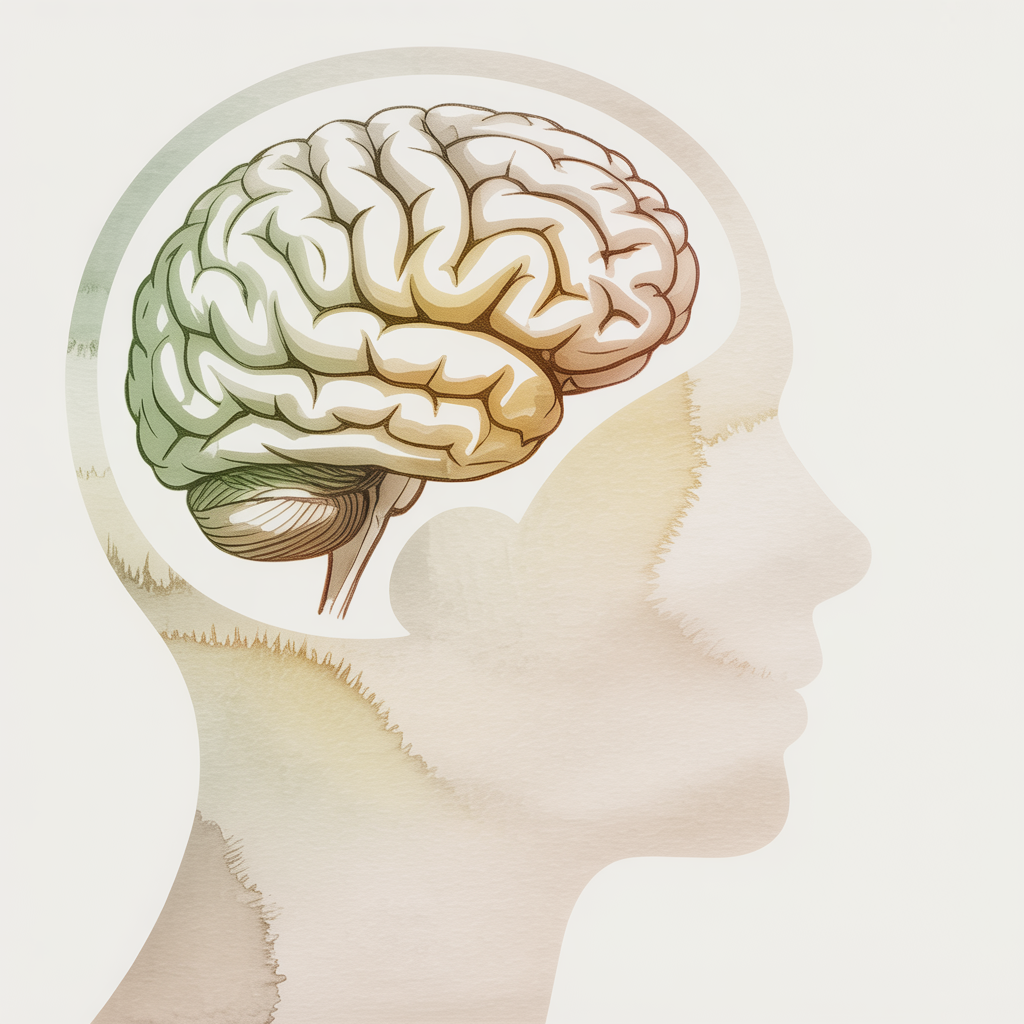 A traumatic brain injury (TBI) occurs when an external force disrupts brain functioning. This can result from falls, accidents, assaults, or repeated impacts, and the consequences are not always visible on medical imaging. Even injuries labeled “mild” can have profound and lasting effects on memory, attention, processing speed, emotional regulation, and executive functioning.
The Brain Injury Association of America reports that millions of people sustain brain injuries each year, and many go without evaluation or follow-up care. In our behavioral health settings, it is the functional impact we most often observe — slowed processing, difficulty with multi-step tasks, and challenges shifting between activities — that can become barriers to recovery when unrecognized. These neurological effects frequently overlap with symptoms seen in behavioral health populations and can be misinterpreted as resistance, mood instability, or lack of motivation when not understood in context.
Brain Injury at the Intersection of Behavioral Health
Brain injury rarely exists in isolation. Many individuals we serve have experienced multiple adversities — trauma histories, substance use, mental health conditions, and social instability — that compound neurological vulnerability. These intersections matter because they shape how symptoms are observed and how effectively individuals can engage in treatment.
When we screen for head injury history and integrate that awareness into treatment planning, we reduce the risk of misinterpretation and strengthen clinical accuracy. Understanding that a person’s difficulty following through on recommendations may reflect a neurological reality, not a character flaw or lack of effort, changes how we approach care.
What Brain-Informed Care Looks Like
For staff working across New Vitae programs, it is important to recognize how brain injury may be a hidden factor influencing engagement in treatment, the ability to follow therapeutic recommendations, or responses to stress.
Brain-informed care means choosing words intentionally, providing clear and consistent cues, offering repetition without frustration, allowing extra processing time, and embedding supports that reduce cognitive load. These are not accommodations of convenience; they are evidence-aligned supports grounded in the realities of brain function.
Action Recovery: Specialized Care for Brain Injury at New Vitae
New Vitae’s Action Recovery Brain Injury Program exists because brain injury requires specialized, structured, and neurologically informed intervention. Action Recovery provides residential habilitation and neurocognitive structured day services designed to support personal growth and functional skill development.
The program brings together a multidisciplinary team — including medical providers, psychologists, cognitive therapists, certified brain injury specialists, rehabilitation support specialists, behavior specialists, and licensed clinicians — who work collaboratively to support individual recovery. This integrated approach fosters continuity of care and ensures that treatment remains coordinated, practical, and aligned with real-world functioning.
Action Recovery’s Neurocognitive Structured Day Program addresses daily living skills, money management, vocational and volunteer opportunities, social skills development, sensory activities, and compensatory strategy training. Organized daily activities help strengthen the skills needed for community integration and support the development of cognitive and vocational abilities over time.
Action Recovery’s Residential Habilitation component emphasizes quality of life, safety, and cohesion within a communal living environment while building independence in household tasks, daily routines, and community participation.
Recovery Is Possible
 A brain injury does not erase the possibility of meaningful recovery. With structured support, intentional skill development, patience, and high expectations rooted in understanding rather than assumption, individuals can rebuild existing abilities, develop new ones, strengthen independence, and move toward their personal goals.
Brain Injury Awareness Month is an opportunity to deepen our shared understanding of who we serve and why the work we do matters. The more clearly we see the people in front of us — neurologically, clinically, and humanly — the better equipped we are to support their recovery.